From Sushi Burritos to Katsu Sandos: The Delicious Takeover of American Takeout
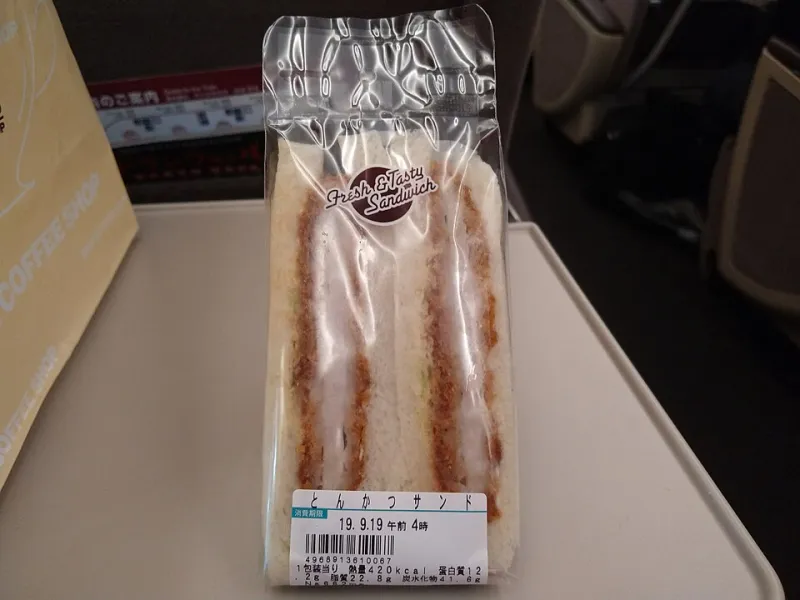
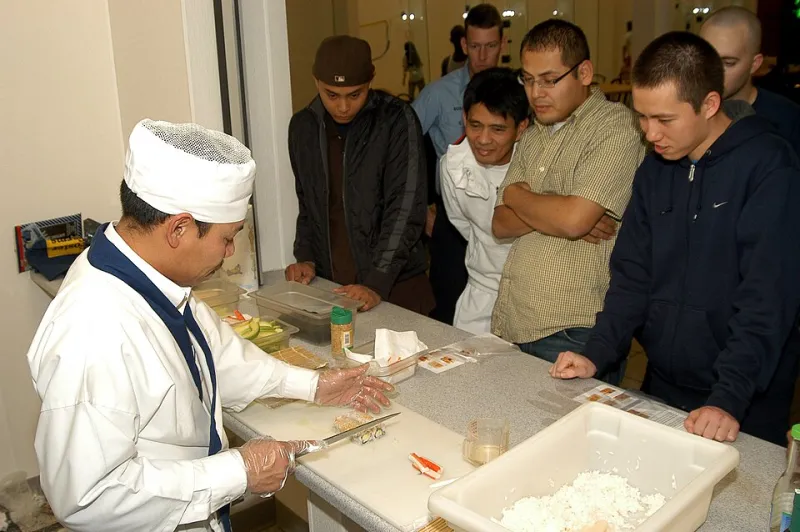
Photo: bob walker from London, UK, CC BY-SA 2.0, via Wikimedia Commons
A Movement That Moved Fast
Ten years ago, the phrase "sushi burrito" would have gotten you some confused looks in most American cities. Today, it's a delivery-app category filter. Japanese fusion comfort food has completed one of the great culinary stealth missions of the modern dining era — slipping into the mainstream one katsu sandwich at a time, and taking over the takeout landscape while nobody was officially watching.
How It Started: Coast to Coast, One Hand Roll at a Time
Fusion between Japanese technique and American appetite isn't new. The California roll was basically a diplomatic treaty between the two, invented to ease sushi-hesitant Americans into raw fish back in the 1960s and '70s. But the modern wave is different. It's not Japanese food adapted for America — it's Japanese flavors confidently colliding with American formats.
The sushi burrito is the poster child. Born in California around the early 2010s and popularized by fast-casual spots in San Francisco and Los Angeles, it took the hand roll — already the most portable item in the sushi canon — and supercharged it into a foot-long, foil-wrapped, lunch-break-friendly monster. Food bloggers went wild. Instagram did the rest.
Meanwhile, on the other coast, the katsu sando was making its own quiet climb. What began as a Japanese convenience-store staple — breaded cutlet, squishy milk bread, tangy tonkatsu sauce — became the darling of New York delis, LA coffee shops, and eventually every city with a brunch scene. The math was simple: fried chicken sandwich demand was insatiable, and the katsu sando was its more interesting cousin.
Why Delivery Apps Changed Everything
Here's the part that really accelerated the trend: fusion food travels beautifully. A burrito-format sushi roll holds its structure in a container. A katsu sandwich survives a 20-minute drive without falling apart. Poke bowls, donburi, gyoza — these are dishes practically engineered for the delivery era.
Industry observers have noted for years that Asian fusion consistently ranks among the fastest-growing takeout categories on major delivery platforms, with Japanese-Mexican and Japanese-American hybrids leading the charge. The pandemic supercharged this further, normalizing restaurant-quality meals arriving at the door and giving smaller kitchens — the kind doing the most creative fusion work — a direct line to customers.
There's also a generational factor. Millennials and Gen Z diners grew up on sushi, ramen, and anime. For them, Japanese flavors aren't exotic; they're comfort food. The fusion isn't a stunt — it's just how they eat.
The Ninja House To-Go Chapter of the Story
We'd be lying if we said we didn't see this coming. Ninja House To-Go was built on a simple observation: Americans love Japanese flavor, Americans love takeout, and nobody should have to choose between quality and speed. Our whole concept — bold fusion plates, ninja-themed branding, lightning-fast delivery — sits right at the intersection where this trend has been heading all along.
Our menu is the trend in miniature. The katsu sandwich sits next to teriyaki tacos. The donburi bowls share space with seasoned fries dusted in togarashi. Every item is designed with the delivery journey in mind: packaging that keeps crispy things crispy, sauces that ride separately, portions sized for the couch, not the tasting menu.
Where Fusion Goes Next
If the last decade proved anything, it's that Japanese fusion isn't a passing novelty — it's a permanent pillar of the American takeout landscape. Expect to see more regional mashups, more breakfast crossovers (miso breakfast sandwiches are quietly having a moment), and more kitchens treating umami as a baseline rather than a buzzword.
For us, the mission stays the same: keep the flavors bold, keep the delivery fast, and keep the fun alive. The American takeout revolution doesn't need a loud spokesperson. It needs a stealthy one. That's always been our specialty.