The Great Soggy Takeout Crisis: 5 Field-Tested Moves to Save Your Crunch
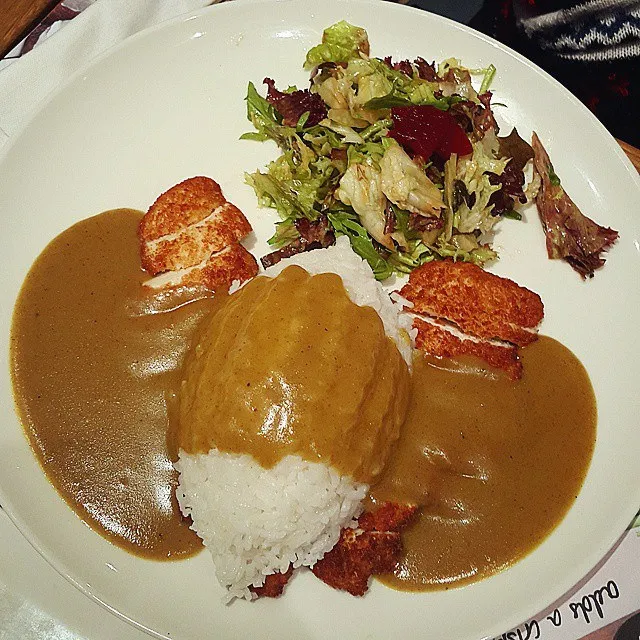
Photo: Debbie Tingzon from Doha, Qatar, CC BY 2.0, via Wikimedia Commons
Let's name the enemy: condensation. Specifically, the moment hot, crispy food meets a sealed container, fills the air inside it with moisture, and quietly transforms your beautiful panko crust into something resembling a damp paper towel. Every delivery restaurant in America is fighting this war, and most of them are losing.
At Ninja House To-Go, we decided to stop losing. Over the past several months we ran internal packaging tests, harassed our kitchen staff for their home tricks, and asked readers to vote on which dishes survive delivery best. Here's what we learned, distilled into five field-tested moves.
Move 1: The Vent (Science's Favorite Child)
If you take one thing from this article, take this: steam needs an escape route. When fried food sits in a sealed container, the heat keeps evaporating moisture from the food, that vapor hits the lid, condenses, and rains right back down onto your crust. Physics is a hater.
Our solution is vented lids on every fried item — katsu, tempura, karaage, the works. In our tests, vented containers kept a pork katsu measurably crispier over a 20-minute delivery than sealed ones. The difference isn't subtle. It's the difference between 'crunch' and 'suggestion of crunch.'
If your food arrives in a sealed container from some other restaurant, crack the lid when you get home and let it breathe for a minute before eating. Future you says thanks.
Move 2: The Sauce Separation Treaty
The number one cause of soggy delivery food isn't the packaging. It's sauce. Sauce sitting on fried food is a slow-motion betrayal — every minute of contact time soaks moisture into the crust.
Our policy: all glazes, drizzles, and dipping sauces ship on the side, in their own containers, period. Yes, this means 15 extra seconds of assembly on your end. Yes, it's worth it. Drizzle your teriyaki the moment you're ready to eat and the crunch stays intact.
One exception we learned the hard way: our readers voted overwhelmingly that Korean fried chicken tacos need the sauce ON, even in transit, because 'assembling a taco is a chore and we're tired.' Democracy has spoken.
Move 3: The Upright Transport Rule
This one sounds obvious and yet. A bag of takeout thrown on its side in a car means everything shifts, sauces migrate, and your tempura ends up wedged under your miso soup like a survivor in a disaster movie.
Drivers are trained to keep fried items upright and bagged separately from hot liquids. At home, do the same: soup and noodles on the counter first, fried items last, and never stack anything on top of a tempura container. Tempura is a delicate flower. Treat it accordingly.
Move 4: The Oven Re-Crisp (Not the Microwave — We Beg You)
Your delivery took 25 minutes. Even with perfect packaging, some crispiness is a casualty of time. The rescue move is a quick trip into a 375°F oven or toaster oven for 4–5 minutes, directly on the rack or a wire sheet. The dry heat drives residual moisture out and re-toasts the crust.
The microwave, meanwhile, does the exact opposite: it heats the moisture trapped inside the breading, steaming your katsu from the inside out. Using a microwave on fried food is not a reheating method. It is a funeral.
Air fryer owners: yes, you win, we know. Two minutes at 400°F and your karaage comes back nearly kitchen-fresh. We're not jealous. (We're a little jealous.)
Move 5: Know Your Dish's Odds
Finally, the reader-voted results you've all been waiting for — our official Crispiness Survival Rankings, based on hundreds of votes and our own timed delivery tests:
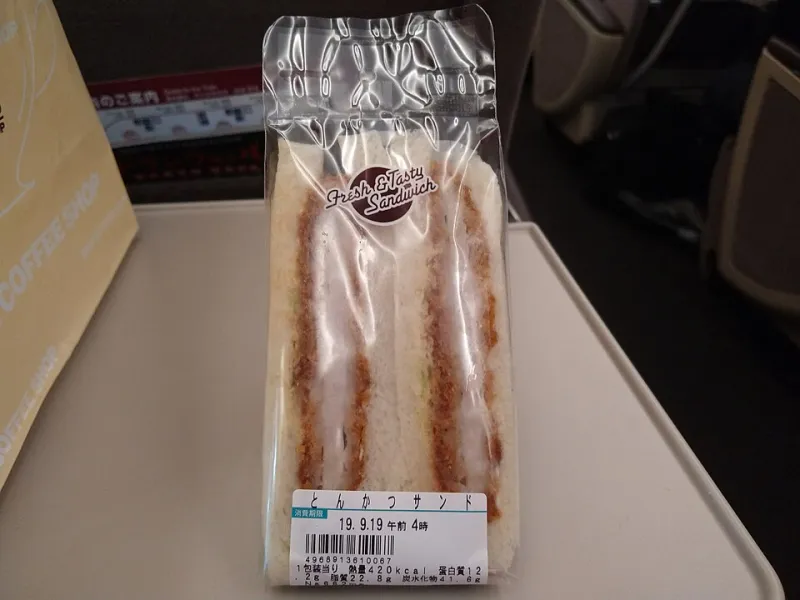
- Katsu sandos — bread acts as armor; survived 30 minutes with dignity
- Karaage — dense, double-fried, nearly immortal
- Pork katsu — holds strong; sauce-on-the-side is non-negotiable
- Tempura shrimp — good for about 15 minutes, then it needs oven help
- Vegetable tempura — thin batter, noble heart, shortest lifespan on the list
Vegetable tempura fans, we love you and we're sorry. Order it for the shortest delivery radius you can manage.
The Bottom Line
Crispy delivery isn't luck. It's vented lids, separated sauces, upright bags, a hot oven on standby, and knowing which dishes can go the distance. Follow these five moves and your takeout will arrive the way the kitchen intended — with a crunch you can hear from the next room.
Now go forth and eat loudly. That's an order.