Operation Green Light: The Bento Code That Makes Kids Beg for Broccoli
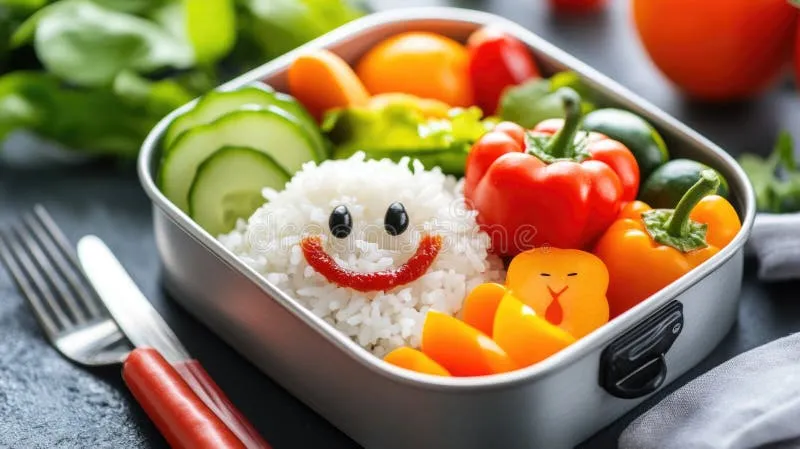
Photo: colorful kids bento box with vegetables and rice, via thumbs.dreamstime.com
Every parent knows the scene. You place a perfectly good plate of vegetables in front of your kid, and they look at you like you've just handed them a parking ticket. Meanwhile, they'd happily eat an entire sleeve of crackers while standing up.
Here's the plot twist: Japanese home cooks solved this problem generations ago, and they did it without any yelling, bribing, or hiding vegetables under napkins. At Ninja House To-Go, we borrowed those techniques for our kids' menu, and the results have been suspiciously good. Broccoli has been requested. Voluntarily. We have witnesses.
Why the Bento Box Is a Trojan Horse (in the Best Way)
A family feeding specialist we spoke with put it plainly: kids don't actually hate vegetables — they hate unpredictability and being cornered. "Children respond to autonomy and novelty," she explained. "A compartmentalized meal lets them survey the whole mission before committing. Nothing is touching. Nothing is a surprise. That alone reduces resistance."
That's exactly what a bento does. Small portions, clear sections, visual order. It's not a plate of pressure — it's a buffet of options where the broccoli is just one recruit among six. Psychologists call this "choice architecture." Parents call it "why is my kid eating snap peas."
The Six-Vegetable Playbook
Japanese home cooking rarely serves one lonely vegetable begging for attention. Instead, it deploys small amounts of many — shredded cabbage, julienned carrots, edamame, corn, cucumber, spinach — each seasoned differently. Variety does two things: it lowers the stakes on any single veggie, and it increases the odds that at least one lands.
The secret weapons:
- Furikake — that savory seaweed-sesame shake turns plain rice into something kids sprinkle themselves. Agency is everything.
- Umami-rich sauces — a mild tonkatsu-style drizzle or teriyaki glaze makes vegetables taste savory instead of "healthy."
- Cold-friendly textures — cucumber, corn, and edamame hold up in a lunchbox without turning to sadness.
- Shapes — a vegetable cut into a coin or a stick is a different food than the same vegetable chopped into mush. We don't make the rules.
Five Copycat Recipes From the Ninja House Kids' Menu
Ready to run your own covert operation? These are simplified, home-kitchen versions of our most-requested kids' items.
1. Confetti Rice with Self-Serve Furikake Cook short-grain rice, fold in finely diced carrots, corn, and edamame, and set a small shaker of furikake on the table. Let your kid do the shaking. The vegetable content is invisible; the fun is not.
2. Crunchy Veggie Katsu Sticks Matchstick carrots and zucchini, mixed with mashed sweet potato and panko, shaped into sticks and pan-fried until golden. Serve with a side of katsu sauce. They look like chicken nuggets' cooler cousin.
3. Roll-Your-Own Veggie Hand Rolls Set out squares of nori, seasoned rice, shredded cucumber, avocado, and shredded cabbage. Kids assemble their own. Yes, it's messy. Yes, they'll eat it anyway.
4. Teriyaki Corn and Edamame Cup A warm cup of corn and shelled edamame tossed in a light teriyaki glaze with toasted sesame. Sweet, salty, and finger-food friendly.
5. Cabbage Slaw with "Secret" Miso-Maple Dressing Shredded cabbage and carrot with a creamy miso-maple dressing. The miso brings the umami; the maple brings the treaty-signing. Blend the dressing smooth and no one needs to know the details.
The Parent's Rules of Engagement
A few field-tested tactics before you deploy:
- Never announce the vegetables. The moment you say "it's healthy," the mission is compromised.
- Serve tiny portions. Three pieces of zucchini stick is an easy win; a pile is a wall.
- Let them dip. Sauce on the side gives kids control, and control gets things eaten.
- Repeat without comment. Familiarity takes 10–15 exposures. No commentary, no pressure. Just keep showing up.
The beauty of the Japanese approach is that it isn't trickery — it's hospitality. Small, seasoned, beautifully arranged food respects a kid's appetite instead of fighting it. The vegetables aren't hidden. They're simply outnumbered by everything else on the tray.
And if tonight ends with your kid licking teriyaki off a piece of corn and asking for more? Mission accomplished. We'll never tell them it was good for them.