Sealed With a (Ninja) Kiss: The Quiet Power of Takeout Packaging
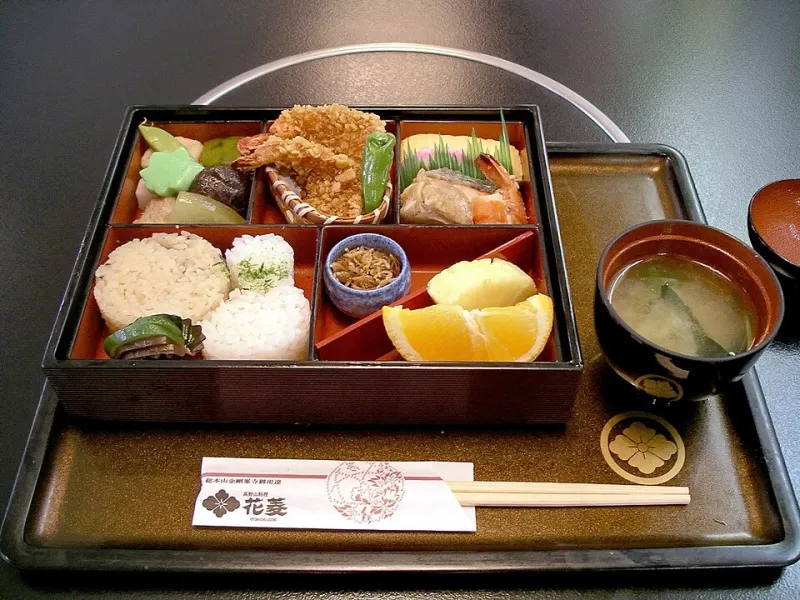
Photo: Blue Lotus, CC BY 2.0, via Wikimedia Commons
You've done it a hundred times without thinking. The delivery bag hits your doorstep, you grab it, and somewhere in the first three seconds your brain has already filed a verdict: this place has its act together or oh no, here comes the soup leak of doom.
That's not intuition. That's packaging psychology, and it's working on you harder than a ninja scales a castle wall.
The Three-Second Verdict
We talked with packaging designers (yes, that's a real career, and yes, they're fun at parties) about what happens in the gap between doorstep and first bite. The consensus? Diners form impressions of food quality based on packaging before tasting a single thing.
"The container is the handshake," one designer told us. "If the handshake is limp, nobody remembers the meal."
At Ninja House, we take this seriously enough to be slightly embarrassing about it. Our tamper-evident seals aren't just there to prove nobody sampled your spicy tuna on the drive over — they're a tiny promise. Broken seal? Something's wrong. Intact seal? You and your roll are about to have a great evening.
The Tamper-Evident Revolution
Remember when takeout just... arrived? Stapled bag, crossed fingers, hope? Those days are gone, and honestly, good riddance.
Tamper-evident stickers went mainstream during the pandemic and never left, because it turns out Americans love knowing their dumplings were untouched by stranger hands. The best ones tear in a satisfying way. The worst ones leave adhesive residue on everything like a bad breakup. There is no middle ground.
The Crispy Tempura Problem (And the Heroes Who Solved It)
Here's the eternal enemy of Japanese fusion delivery: steam. Fried food plus trapped moisture equals tragedy in a round plastic tub.
The innovations fighting the good fight:
- Vented lids — tiny holes that let steam escape like a smoke signal. Simple. Heroic.
- Paper-lined boxes — the unsung middle layer that absorbs moisture so your karaage doesn't have to
- Sauce-on-the-side pods — separating wet from dry like a chaperone at prom
- Insulated liners — keeping hot things hot without turning everything into a sauna
And the villains of the piece? The foam clamshell (environmental crime scene), the single giant tub of everything mixed together (chaos agent), and the lid that requires an engineering degree to open (frustration incarnate).
Our Totally Unofficial Rankings
S-Tier: The bento-style compartment box. Walls between your rice and your roll. Civilization's finest achievement.
A-Tier: The vented paper fry container. Your tempura arrives with crunch intact. We wept.
B-Tier: The compostable fiber bowl. Great for the planet, occasionally slightly... earthy in aroma.
C-Tier: Clear plastic with a sticker seal. Functional, trustworthy, about as charming as a DMV waiting room.
F-Tier: Anything where the sauce was pre-applied. You know what you did.
Green Is the New Black (Belt)
Eco-friendly packaging used to mean your food arrived in what felt like a molded hay bale. Not anymore. Bagasse fiber containers, bamboo boxes, and plant-based films now hold up to a saucy tonkatsu without flinching.
The designers we spoke with say the next frontier is packaging that actively manages temperature — materials that vent heat for fried items and trap it for soups, automatically. Imagine a container smart enough to know the difference between your miso and your gyoza. We're close.
Why We Sweat the Small Stuff
Look, nobody orders takeout for the box. But every element of the unboxing is part of the meal — the reveal, the intact seal, the sauce exactly where it should be. It's the difference between "food delivery" and "an experience that happens to be edible."
So the next time your order arrives with everything crisp, separated, and sealed tight, give that container a small nod of respect. Somewhere, a packaging designer is nodding back.
And if your seal is broken? Slide that bag back into the shadows and give us a shout. Ninjas fix mistakes fast.