The Secret Life of the Takeout Bag: Engineering Lessons Hidden in Your Delivery
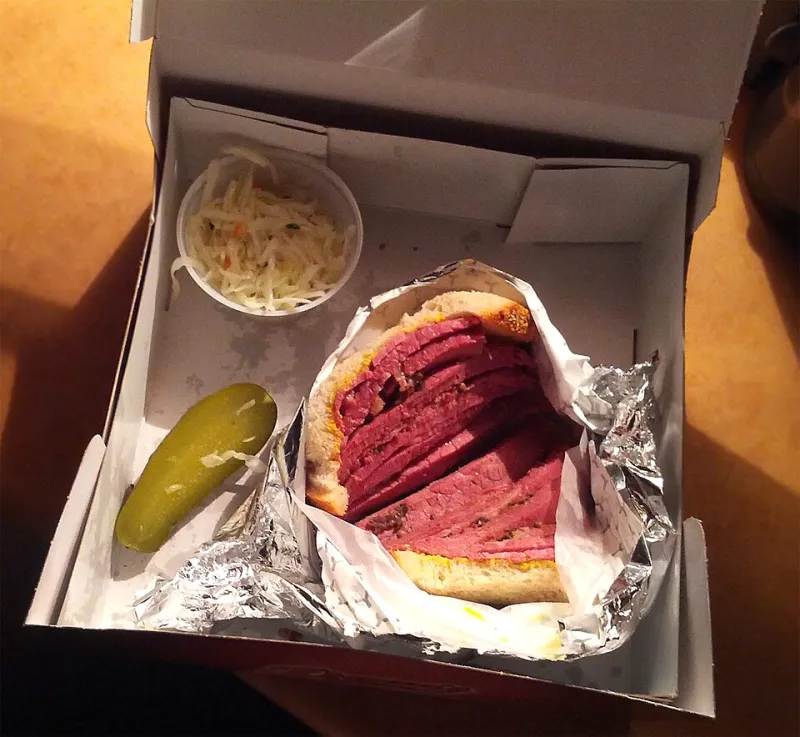
Photo: Gates of Ale, CC BY-SA 3.0, via Wikimedia Commons
Most people see a takeout bag as trash-in-waiting. We see a piece of equipment. At Ninja House To-Go, the bag is the last ninja on the mission — it has to get your food across town undetected, un-sogged, and uncompromised, or the whole operation fails.
Turns out, packaging is having a quiet moment in American food culture, and once you notice it, you can't unsee it.
Steam Is the Enemy (and the Accomplice)
Here's the brutal physics nobody taught you in school: fried food starts dying the second it's sealed. Trapped steam condenses on the lid, drips back down, and turns your once-glorious karaage into a damp sponge.
That's why the best fried chicken and katsu spots now use vented boxes — tiny engineered slits that let moisture escape while keeping heat in. It sounds like a small thing. It is the whole thing. Some chains have even patented vent designs, which tells you exactly how high the stakes are in the Crunch Wars.
The counterintuitive twist? For rice and noodle dishes, you want the opposite: a tight seal that traps steam and keeps things pillowy. One container philosophy does not fit all, and any kitchen that uses the same box for tempura and teriyaki is telling on itself.
The Sauce Bunker Strategy
If you've ever opened a delivery order to find your crispy roll swimming in eel sauce, you've witnessed a packaging failure of historic proportions.
The fix is simple and increasingly standard: sauce goes in its own container, period. Some forward-thinking spots have gone further — separated compartments for crunchy toppings, chopsticks and napkins sealed away from the food zone, even insulated liners for cold items like sunomono sitting next to hot miso soup.
Think of it like packing gear for a covert op. Every item has its pouch. Nothing touches. Everyone comes home safe.
The Field Guide: What to Demand From Your Delivery Spots
You don't have to accept packaging anarchy. Here's your checklist, born from thousands of test deliveries:
- Vented anything fried. No exceptions. A sealed box of gyoza is a betrayal.
- Sauce on the side, always. If they won't do it, ask. If they won't ask, they don't respect the crunch.
- Heavy, sealable bags. Flimsy bags tip. Tipping is chaos. Chaos is spilled miso on your passenger seat.
- Cutlery quarantined. Nothing says "we gave up" like soy sauce packets loose in the same bag as an open box of sushi.
- Cold and hot separated. Physics doesn't negotiate.
The Innovations Quietly Changing the Game
A few developments worth watching, no subscription required:
Molded fiber containers are replacing plastic clamshells across the US — sturdy, compostable, and genuinely better at handling steam. Insulated delivery pouches, once the domain of pizza giants, are now standard issue for quality-focused kitchens. And tamper-evident seals, born of pandemic-era caution, have stuck around because they also signal a kitchen that takes its operation seriously.
Even the low cup of broth has been revolutionized — spill-resistant lids with silicone gaskets mean your tonkotsu arrives as soup, not abstract art on the interior of your car.
Your Bag Is a Promise
Every well-engineered package says the same thing: we cared about this food all the way to your door. The mission doesn't end at the kitchen pass — it ends when you take that first perfect bite.
So the next time your delivery arrives crisp, intact, and sauce-bunker-secured, give the bag a little nod. It earned it. And if it arrives soggy? Well. Now you know exactly what to demand next time.
Stay stealthy, eat well, and check those vents.