Sneaky Delicious: How Japanese Fusion Wins Over the Pickiest Eaters in America
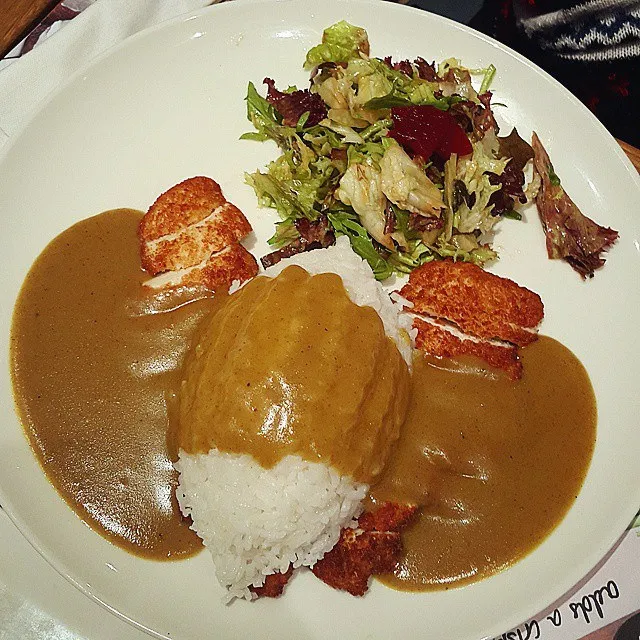
Photo: Debbie Tingzon from Doha, Qatar, CC BY 2.0, via Wikimedia Commons
Every small town has one. The guy who orders chicken fingers in a city famous for its seafood. The aunt who considers black pepper "spicy." The coworker who says "I don't do Japanese food" with the confidence of someone delivering a court ruling.
Here's what those folks don't know: they've probably eaten Japanese food three times this month. They just didn't recognize it, because fusion cuisine is the greatest disguise artist in the American culinary landscape. It doesn't argue with picky eaters. It doesn't lecture them about umami. It just shows up looking like something they already love — and quietly changes their mind.
The Trojan Horse Theory of Dinner
Let's name the phenomenon. We call it the Trojan Horse approach: familiar packaging, unfamiliar (and delicious) payload. It works because picky eating in America is rarely about flavor. It's about fear of the unknown — texture surprises, mystery ingredients, food that "looks weird."
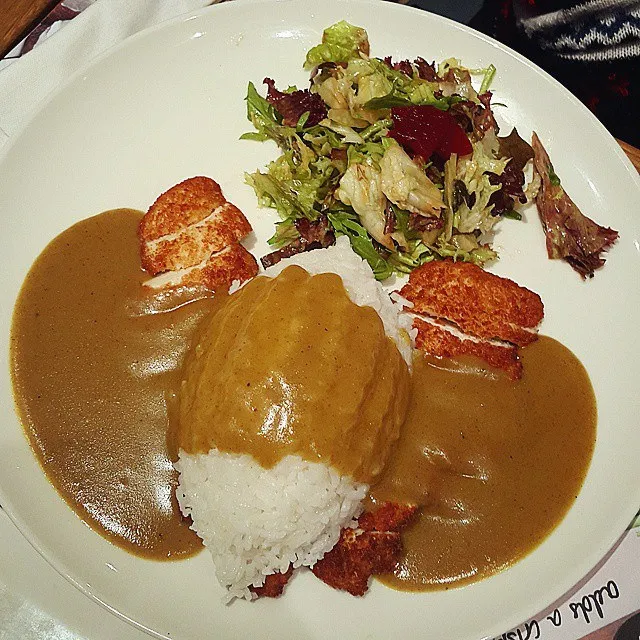
Fusion dissolves that fear by leading with recognition. A crispy chicken katsu sando doesn't look foreign. It looks like the best chicken sandwich you've ever seen, because that's exactly what it is. The panko crust, the tangy sauce, the soft bread — your brain files it under "comfort food" before your taste buds can file an objection.
By the time someone mentions the word "katsu," it's too late. You've already loved it.
The Disguises That Work, Ranked
After years of watching first-timers walk through the door (or, more accurately, tap 'order now'), we've identified the fusion flavors most likely to convert a skeptic.
Spicy mayo: the ultimate double agent. It's in a burrito, on a burger, drizzled over fries. Most people think of it as an American condiment. It is, at minimum, half Japanese — and it's the single most common gateway flavor we serve. If a customer's order history contains spicy mayo, congratulations: you already speak the language.
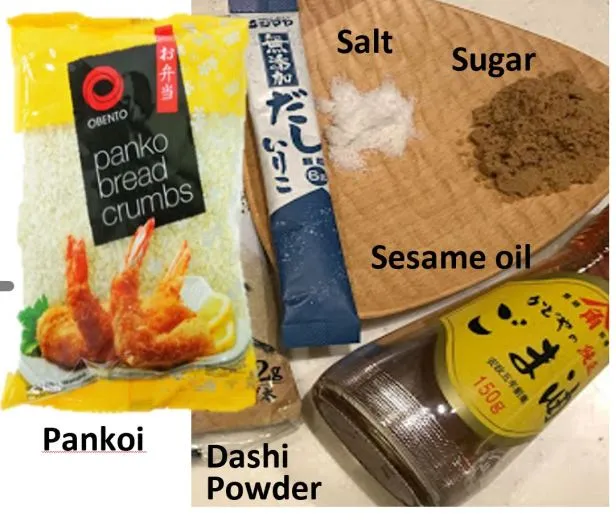
Panko: the crunch everyone already loves. Chicken tenders, mozzarella sticks, onion rings — Americans have been deep in a panko relationship for decades without always knowing it. Katsu is simply tenders' sophisticated older sibling.
Teriyaki: the flavor that pretends to be barbecue. Sweet, sticky, grilled, familiar. A teriyaki bowl reads to a wary eater as "glazed chicken with rice," which is a sentence no Midwesterner has ever feared.
The sushi burrito: fusion's masterstroke. It's wrapped like a burrito, held like a burrito, and eaten with your hands like a burrito. The rice and seaweed are the only things doing anything new, and by the time that registers, the eater is already three bites deep and emotionally committed.
Dispatches From the Conversion Front
We asked our customers for their picky-eater stories, and the pattern is unmistakable.
Take Tyler, from a town of about 4,000 people, who told us: "I told my girlfriend I don't eat raw fish, end of story. She ordered me the crispy rice tuna thing anyway. I ate it. It was basically a fancy fish stick. Nobody needs to know."
Or Linda, a self-described "meat and potatoes" diner: "My daughter made me try a bite of her katsu sandwich. I ordered my own the next week. I still say I don't like Japanese food. My daughter says I'm a liar."
Tyler and Linda are not exceptions. They're the norm. The resistance isn't to flavor — it's to the label.
Fusion Isn't Watering Down. It's Bridge-Building.
Now, some purists will say fusion dilutes tradition, and we understand the instinct. But we'd argue something different is happening: fusion is the diplomatic corps of Japanese cuisine in America. It meets people where they are — at the food court, the gas station burrito, the drive-thru — and hands them something new wearing something familiar.
Nobody goes from chicken tenders to a twelve-course kaiseki dinner in one leap. They go from tenders to katsu. From katsu to a spicy tuna roll. From there, who knows? Maybe a real bowl of ramen, slurped proudly and loudly, no stealth required.
That's the quiet work of fusion cuisine: one disguised dish at a time, it expands the map of what Americans will eat. And the picky eaters of this country never see it coming — because it arrived looking exactly like lunch.